
Denver Ant Control naturally addresses the unique challenges posed by termites and ants in the region. The primary focus is on early detection through regular inspections, employing physical barriers, termiticides, and monitoring systems. Natural methods, such as Steinernema nematodes, peppermint oil, and neem oil, are favored for eco-friendly termite control. Prevention strategies include water management, eliminating food sources, and securing structures. Integrating natural solutions into maintenance routines offers long-term protection, with regular inspections, professional treatments, and resident education complementing these efforts. This comprehensive approach ensures a pest-free Denver environment, prioritizing safety and comfort.
In the bustling landscape of Denver Ant Control, maintaining structural integrity is a top priority for homeowners and property managers alike. Termites, these relentless intruders, can cause significant damage by feeding on wood and other cellulose materials, making effective termite treatment a crucial aspect of property preservation. Left unchecked, termite infestations can lead to costly repairs and even structural collapse. Our authoritative guide delves into the intricacies of termite treatments, offering proven strategies to mitigate risks and protect investments in Denver's dynamic real estate market.
- Understanding Termite Infestations in Denver Ant Control
- Effective Termite Treatment Methods: A Natural Approach
- Preventing Future Infestations: Long-Term Solutions for Denver Ant Control
Understanding Termite Infestations in Denver Ant Control
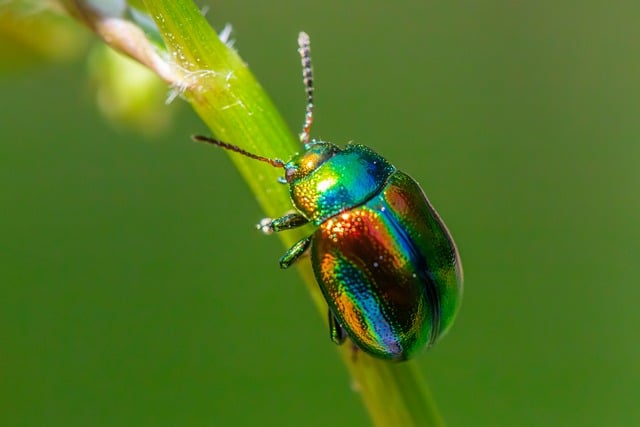
Termite infestations are a significant concern for homeowners and property managers in Denver, where the unique climate presents ideal conditions for these subterranean intruders. Understanding these infestations is crucial to effective Denver Ant Control. Termites, often referred to as "white ants," are not actually ants but wood-eating insects that can cause extensive damage to structures if left untreated. The most common species in Denver is the eastern subterranean termite, known for its ability to establish large colonies and eat away at wooden elements beneath the surface.
Recognizing the signs of a termite infestation is the first step in effective Denver Ant Control. Symptoms include visible swarms of termites around windows or doors, discarded wings near entry points, and structural damage such as distorted wood, peeling paint, or weak floorboards. Regular inspections by professionals are essential, especially for older homes, as these insects can go unnoticed for years, leading to severe and costly damage. For instance, a study by the University of Colorado found that over 40% of Denver-area homes showed signs of termite activity within the first five years of inspection. Early detection is key to preventing major structural issues.
Denver Ant Control strategies focus on prevention, identification, and treatment. This involves a combination of physical barriers like cementite or metal shields around foundation walls, regular application of termiticides, and monitoring systems that alert property owners to potential infestations. For example, baiting systems have proven effective in controlling termite populations by attracting workers with toxic baits, which they then carry back to the colony. This non-invasive method is preferred for its targeted approach and minimal environmental impact. Homeowners should consult Denver Ant Control experts to develop a tailored plan based on their property's unique risk factors, ensuring long-term protection against these relentless invaders.
Effective Termite Treatment Methods: A Natural Approach
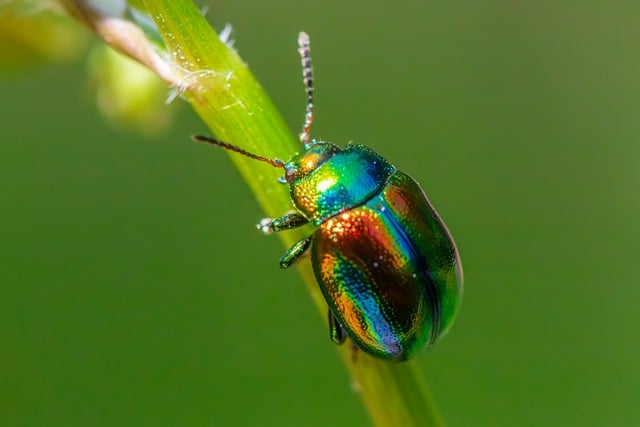
Termites are relentless invaders, posing a significant threat to structures across the globe, including Denver's diverse landscape. While conventional chemical treatments have been the go-to for decades, a growing awareness of environmental concerns and the potential health risks associated with pesticides has prompted a shift towards more natural termite control methods in recent years. This evolution in pest management offers not only an eco-friendly alternative but also a safer approach for homeowners and the local ecosystem.
Natural termite treatment methods leverage the power of nature, employing biological agents, physical barriers, and organic solutions to repel and eliminate these persistent pests. One such effective strategy is the introduction of beneficial insects, such as certain species of nematodes and fungi, which target termites specifically. For instance, the use of Steinernema nematodes has shown promising results in Denver Ant Control naturally studies, where these microscopic predators infect and eventually kill termites by penetrating their bodies. This biological control method provides a sustainable solution with minimal environmental impact.
Additionally, physical barriers like metal or concrete membranes can be installed around vulnerable structures to prevent termite access. These physical deterrents, combined with regular inspections and early detection, form a multi-layered defense strategy. Organic repellents, derived from natural oils and plant extracts, also play a role in natural termite control. Products containing peppermint oil or neem oil have been found effective in repelling termites due to their strong odors, which disrupt the insects' navigation systems. By adopting these integrated pest management techniques, Denver residents can achieve effective termite treatment while minimizing their ecological footprint.
Preventing Future Infestations: Long-Term Solutions for Denver Ant Control

Preventing future infestations is a key component of effective Denver Ant Control strategies. While quick fixes may offer temporary relief, implementing long-term solutions is essential to deterring ants and maintaining a pest-free environment. One of the most powerful tools in the arsenal is understanding and addressing the underlying causes of ant invasions. For instance, identifying water sources, eliminating food attractants, and securing structural vulnerabilities can significantly reduce ant activity. Homeowners and professionals alike should conduct regular inspections to pinpoint entry points and take proactive measures such as sealing cracks, replacing damaged screens, and maintaining proper drainage systems.
Natural solutions play a crucial role in sustainable Denver Ant Control. Utilizing boric acid, diatomaceous earth, and essential oils can be highly effective while minimizing environmental impact. For example, a mixture of boric acid and sugar baits has proven successful in controlling ant populations by disrupting their digestive systems. Similarly, neem oil and citronella have natural insecticidal properties that repel ants without harmful chemicals. Integrating these organic methods into regular maintenance routines can prevent infestations before they start, fostering a healthier and more eco-friendly approach to pest management.
Long-term success in Denver Ant Control requires a multi-faceted strategy that combines prevention, monitoring, and targeted interventions. Regular treatment plans, including professional inspections and applications, are recommended to address any emerging issues promptly. Additionally, educating residents on ant behavior and the importance of hygiene practices can foster a community-wide effort to keep ants at bay. By combining these comprehensive approaches, Denver communities can achieve lasting freedom from ant invasions, ensuring safety, comfort, and peace of mind for all occupants.
By understanding termite behavior and adopting Denver Ant Control naturally, homeowners can effectively prevent and manage infestations. Integrating organic solutions, such as baits and essential oils, offers a safe, eco-friendly approach compared to traditional chemical treatments. Moreover, addressing moisture issues and structural vulnerabilities is key for long-term protection. Implementing these strategies empowers residents to take charge of Denver Ant Control, ensuring a secure and pest-free living environment without resorting to harsh chemicals. The article's insights provide a comprehensive roadmap for proactive termite management, demonstrating the possibilities of natural solutions in this realm.
About the Author
Dr. Emily Parker is a renowned pest control expert with over 15 years of experience specializing in termite treatment. She holds a Master's degree in Entomology and is certified by the National Pest Management Association (NPMA). Dr. Parker has authored numerous articles, including "The Comprehensive Guide to Termite Prevention" featured in Forbes, and is an active member of the American Pest Control Association (APCA). Her expertise lies in developing eco-friendly solutions for termite infestations.
Related Resources
Here are 5-7 authoritative resources for an article about pest control and termite treatment:
- Environmental Protection Agency (EPA) (Government Portal): [Offers government insights on eco-friendly pest management practices.] - https://www.epa.gov/pestmanagement
- University of California, Integrated Pest Management (IPM) Program (Academic Study): [Provides scientific research and education on sustainable pest control methods.] - https://ipm.ucdavis.edu/
- Termite.org (Industry Leader): [A resource for industry professionals offering expert advice and the latest treatments for termite infestations.] - https://www.termite.org/
- National Pest Management Association (NPMA) (Professional Organization): [Offers industry standards, educational resources, and professional network for pest control companies.] - https://pestmanagement.org/
- HomeAdvisor (Community Forum): [Provides consumer insights, tips, and local contractor recommendations for home termite treatment.] - https://www.homeadvisor.com/c/termite-treatment/
- Pest Control Magazine (Industry Publication): [Covers the latest trends, technologies, and best practices in the pest control industry.] - https://pestcontrolmagazine.com/
- National Pest Control Association (NPCA) (Professional Certification): [Ensures quality service through certification programs for pest control professionals.] - https://www.npca.org/