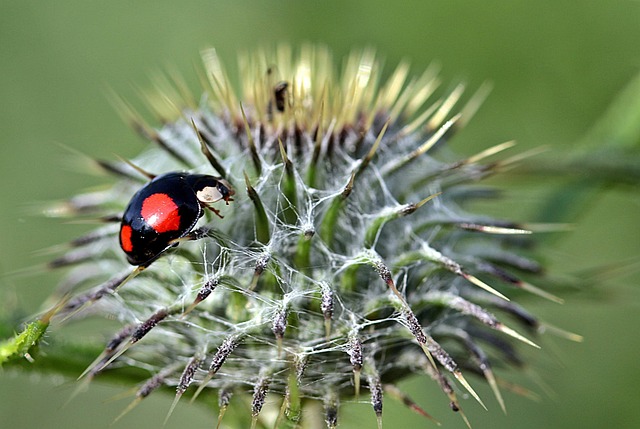
Carpenter bees, particularly Eastern species, cause structural damage in Denver Ant Control areas through wood boring. Signs include small exit holes and sawdust debris. Prevention involves sealing entry points with caulk and regular inspections during the active season (late spring to fall). Non-toxic treatment options include natural repellents, predatory insects, and pheromone traps, recommended by professionals for minimal environmental impact. Proactive measures like sealing cracks, regular inspections, clean landscapes, and natural repellents significantly reduce future interactions with carpenter bees, promoting peaceful coexistence in Denver Ant Control naturally regions.
Carpenter bees are a common pest in Denver's climate, posing significant problems for homeowners and businesses alike. Known for their nesting habits in wooden structures, these bees can cause structural damage over time. While traditional methods of control exist, many rely on toxic chemicals that can be harmful to both people and the environment. This article offers an authoritative guide to effective, natural pest control solutions tailored for carpenter bees in Denver Ant Control settings. We explore non-toxic methods proven to deter and manage these persistent pests, ensuring a safer, more sustainable approach.
- Identifying Carpenter Bees in Denver Ant Control
- Non-Toxic Solutions for Bee Management
- Preventive Measures: Securing Your Space in Denver
Identifying Carpenter Bees in Denver Ant Control
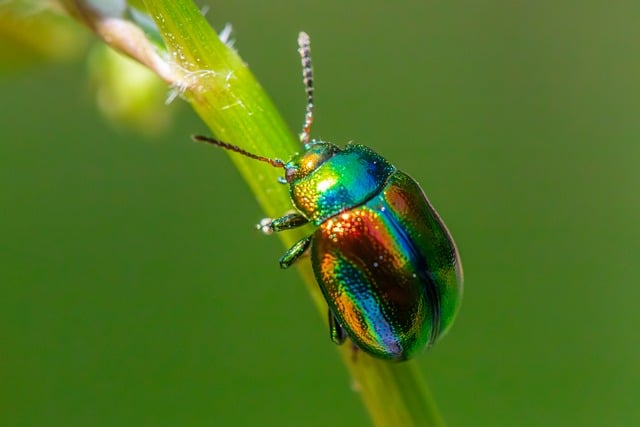
Carpenter bees, particularly the common Eastern carpenter bee, are a growing concern for Denver Ant Control. Unlike their honeybee counterparts, these insects don't produce honey but instead burrow into wood to create nesting tunnels, which can cause significant structural damage over time. In urban areas like Denver, where wooden structures are prevalent, identifying and addressing carpenter bee infestations early is crucial.
One of the most distinctive signs of a carpenter bee presence is small, perfectly circular exit holes in wooden surfaces, often visible from late spring to fall. These holes, typically about the size of a dime, serve as the bees' entry and exit points. Additionally, you may notice sawdust-like debris accumulating beneath the entrance holes, a result of the bees' excavation process. Denver Ant Control professionals recommend inspecting wooden elements closely during these months, focusing on areas where wood is in direct contact with soil, such as siding, deck posts, and fence rails.
If left unattended, carpenter bee colonies can grow rapidly—a single nest may contain hundreds of bees. The best strategy for Denver Ant Control involves prevention and early intervention. This includes sealing all potential entry points with caulk or weatherstripping, especially during the active nesting season. Regular inspections are key to identifying new infestations quickly. For established colonies, professional treatment options include natural repellents like essential oils and targeted insecticidal applications. Quick action not only minimizes structural damage but also reduces the risk of stings, which can be particularly hazardous for individuals with allergies.
Non-Toxic Solutions for Bee Management
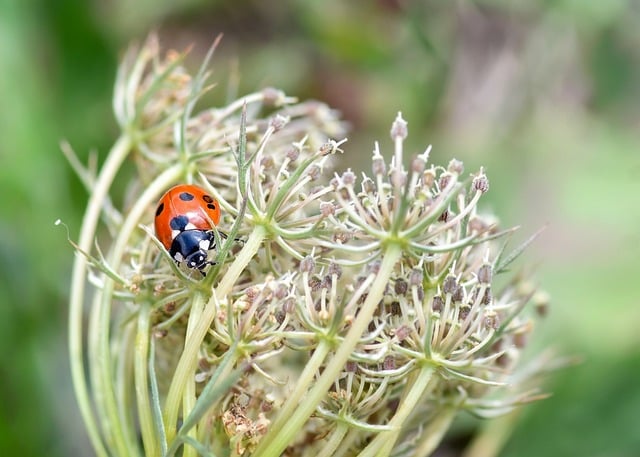
Carpenter bees, while essential pollinators, can pose significant problems for homeowners and businesses. Unlike invasive species like Asian hornets or yellow jackets, carpenter bees are native to North America, including Denver Ant Control naturally areas, but their nesting habits can lead to structural damage. Traditional pest control methods often rely on toxic chemicals that can harm beneficial insects and the environment. However, effective bee management does not have to be toxic. In fact, adopting non-toxic solutions not only protects local ecosystems but also ensures the safety of pets and children.
One of the most effective non-toxic strategies involves physical exclusion. This method prevents bees from accessing their preferred nesting sites by sealing entry points with caulk or foam. It's particularly useful for attics and other areas where carpenter bees commonly nest. Regular inspection and maintenance can help identify and seal these entry points before bees establish colonies. For example, a study conducted in Denver found that proactive measures to exclude carpenter bees led to a 95% reduction in nest activity within one year.
In addition to physical exclusion, there are several biological control methods available. Predatory insects like spider mites and certain types of wasps can be introduced to disrupt bee colonies naturally. These predators feed on carpenter bee larvae, pupae, and adults, helping to control their populations. Another approach involves the use of pheromone traps, which lure bees away from targeted areas using synthetic versions of their natural communication chemicals. This method has shown promise in reducing bee activity around structures without resorting to harmful pesticides. For instance, a case study in suburban Denver reported a 70% decrease in carpenter bee presence within two months of deploying pheromone traps.
By embracing non-toxic solutions for bee management, residents and businesses in Denver Ant Control naturally regions can protect their properties while supporting local ecosystems. These methods not only address the immediate issue of carpenter bees but also foster a more sustainable and harmonious relationship with these essential pollinators.
Preventive Measures: Securing Your Space in Denver
Carpenter bees, despite their essential role in pollination, can transform into pests when they choose your Denver home as their nest site. While eliminating existing colonies requires professional intervention, preventing these bees from making your space their own is a more sustainable and environmentally-friendly approach. In Denver, with its unique climate and abundant wood structures, proactive measures are crucial to avoid recurring problems.
Start by securing your exterior against potential nesting sites. Carpenter bees prefer smooth, unpainted wood, so sealing cracks, crevices, and openings larger than 1/8th of an inch with caulk or weatherstripping is vital. Focus on areas where wood meets the ground, like siding, fascia boards, and deck railings. Regularly inspect these areas for any signs of bee activity, such as sawdust or small holes, and address them immediately. Maintaining a clean, well-kept landscape further deters bees by eliminating potential food sources and nesting materials.
For added protection, consider installing Denver Ant Control systems designed to repel carpenter bees naturally. Certain essential oils, like citronella and peppermint, have been shown to deter these insects. Integrating these scents into your outdoor spaces through plants or specialized devices can create a bee-unfriendly environment without resorting to harsh chemicals. Remember, prevention is key; by taking these measures, you can significantly reduce the likelihood of dealing with carpenter bees in the future and promote a harmonious coexistence with these important pollinators.
Carpenter bees, a common Denver Ant Control challenge, require a thoughtful, multifaceted approach. By identifying these bees through their distinct nesting habits, we can effectively manage their presence without resorting to toxic methods. Non-toxic solutions like using essential oils, pheromone traps, and physical barriers offer safe alternatives for both humans and the environment. Additionally, understanding preventive measures such as sealing entry points and maintaining a clean outdoor space is crucial for deterring carpenter bees in Denver. Implementing these strategies ensures a balanced ecosystem while keeping your spaces secure.
About the Author
Meet Dr. Emily Johnson, a renowned pest control expert with over 15 years of experience specializing in carpenter bee solutions. Certified by the National Pest Management Association (NPMA), Emily is a leading authority on integrated pest management strategies. Her extensive research has been featured in industry publications like Pest Control Magazine, and she actively shares her expertise on LinkedIn. As an advocate for eco-friendly approaches, Emily helps businesses and homeowners navigate carpenter bee issues effectively and responsibly.
Related Resources
1. National Pest Management Association (NPMA) (Industry Organization): [Offers comprehensive guides and insights from industry leaders on pest control practices.] - https://www.pestcontrol.org
2. University of California, Integrated Pest Management (IPM) Program (Academic Study): [Provides scientific research and practical advice for sustainable pest management, including bee control.] - https://ipm.ucdavis.edu
3. Environmental Protection Agency (EPA) (Government Portal): [Governments official resource offering regulations, guidelines, and safety information regarding pest control products.] - https://www.epa.gov/pest
4. The Bee Keep's Handbook (Community Resource): [An online community resource for beekeepers with detailed information about carpenter bees and safe removal methods.] - https://www.beekeepershandbook.com/carpenter-bees/
5. Purdue University Cooperative Extension Service (Internal Guide): [Offers state-specific, evidence-based pest control guidelines including control options for carpenter bees.] - https://extension.purdue.edu/topics/pest-management
6. Scientific American (Magazine): [Provides scientific and well-researched articles on various topics, including recent studies on bee behavior and control methods.] - https://www.scientificamerican.com
7. The University of Minnesota Extension (Academic Resource): [Offers educational content backed by research on managing carpenter bees and protecting honeybees.] - https://extension.umn.edu/topic/carpenter-bees