
Denver Ant Control naturally embraces Integrated Pest Management (IPM), prioritizing environmental safety and biodiversity. Key practices include natural predator introduction, thorough inspection, sanitation, natural repellents, and least-toxic chemical interventions. This holistic approach ensures effective ant control while preserving the ecosystem's health.
In the vibrant landscape of Denver, ant infestations pose a persistent challenge for both residents and commercial properties. Effective pest control has evolved beyond traditional methods, necessitating an integrated approach known as Integrated Pest Management (IPM). IPM offers a holistic solution by combining chemical interventions with biological controls, environmental modifications, and preventive measures. This strategic approach not only minimizes the reliance on pesticides but also ensures long-term ant control, making Denver Ant Control a trusted ally in maintaining a pest-free environment. Our expertise lies in implementing tailored IPM strategies that address the unique needs of each client, providing genuine value and peace of mind.
- Understanding Integrated Pest Management (IPM) Strategies
- Denver Ant Control: Natural Solutions for Homeowners
- Implementing IPM: Steps for Effective Pest Prevention
Understanding Integrated Pest Management (IPM) Strategies
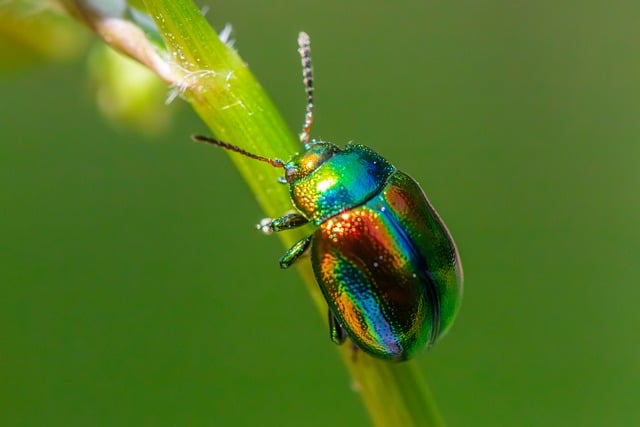
Integrated Pest Management (IPM) is a holistic approach to pest control that emphasizes prevention, monitoring, and environmentally friendly methods. Unlike traditional pest control practices, which often rely heavily on synthetic chemicals, IPM seeks to minimize the use of these substances by incorporating a variety of strategies tailored to each unique situation. For instance, in Denver Ant Control naturally, where biodiversity is a key consideration, IPM techniques can include the strategic introduction of natural predators like spiders and ladybugs to control ant populations. This method not only reduces the need for chemical interventions but also fosters a more sustainable ecosystem.
Effective IPM strategies involve several key components. First, thorough inspection and monitoring are crucial to identifying the extent of the pest problem. This step requires meticulous observation and data collection to understand the pests' behavior, life cycles, and environmental triggers. For example, in Denver's urban environment, regular inspections can help identify ant trails and nesting sites early on, allowing for targeted and minimal intervention. Once understood, these insights guide the selection of appropriate control measures.
Next, IPM encourages the use of cultural controls, such as proper sanitation and maintenance practices. Simple actions like sealing entry points, maintaining cleanliness, and ensuring proper ventilation can significantly reduce pest appeal. For instance, regular sweeping and sanitizing in commercial kitchens can deter ants and other pests naturally, reducing the need for chemical treatments. Additionally, biological controls, including beneficial insects and fungi, play a vital role. These natural predators or pathogens specifically target pests while causing minimal harm to non-target organisms. Examples include the use of Bacillus thuringiensis (Bt) to control caterpillars or the introduction of nematodes to combat soil pests.
In implementing IPM, it's essential to involve experts and stay informed about local regulations. Denver's pest control professionals are well-versed in IPM principles and can offer tailored advice. They can assist in developing customized plans that balance effectiveness with environmental responsibility. By embracing these strategies, property owners and managers can achieve sustainable pest control, ensuring a healthier and safer environment for both occupants and the surrounding ecosystem.
Denver Ant Control: Natural Solutions for Homeowners

Denver Ant Control naturally is a growing priority for homeowners seeking sustainable solutions to pest management. The traditional approach to ant control often involves synthetic chemicals, but an increasing awareness of environmental impact and health concerns has driven many Denver residents to explore natural alternatives. This shift aligns with the broader trend in integrated pest management (IPM), which prioritizes holistic strategies over chemical interventions. By focusing on prevention, sanitation, and targeted natural treatments, homeowners can effectively manage ant infestations while minimizing risks to their families and the local ecosystem.
One of the most effective Denver Ant Control naturally strategies is maintaining a clean environment. Ants are attracted to food sources, so regular cleaning, especially in kitchens, can significantly deter them. Storing food in airtight containers, wiping up spills immediately, and sweeping floors frequently reduces available sustenance. Additionally, sealing entry points like cracks and gaps in walls or doors prevents ants from finding their way inside. Natural repellents such as cinnamon, peppermint oil, and diatomaceous earth can also be used to create a barrier around problem areas, acting as safe yet potent deterrents.
For instance, a study conducted by the University of California found that combining essential oils like citronella and neem oil with water and sprayed throughout common ant trails can effectively repel ants for extended periods. Furthermore, using boric acid or silica gel baits, which ants carry back to their nests, has shown promise in eliminating entire colonies. These natural methods not only provide Denver homeowners with effective ant control but also contribute to a healthier indoor environment, free from harmful chemicals. By adopting these strategies, residents can take proactive steps towards sustainable pest management while enjoying the peace of mind that comes with knowing their families are protected.
Implementing IPM: Steps for Effective Pest Prevention
Integrated Pest Management (IPM) represents a sophisticated and holistic approach to pest control, focusing on minimizing environmental impact while achieving effective pest prevention. Unlike traditional methods that rely heavily on synthetic chemicals, IPM incorporates a diverse set of strategies, including biological controls, cultural practices, and targeted applications of safer pesticides. In the context of Denver Ant Control, naturally derived solutions can play a pivotal role in implementing an IPM program.
The first step involves identifying both the primary and secondary pests that may affect your environment. For instance, in urban areas like Denver, ants are common intruders due to their ability to exploit food sources and shelter. Once identified, implement preventive measures such as sealing entry points, maintaining cleanliness, and practicing good hygiene. For example, regularly cleaning outdoor dining areas and ensuring proper disposal of food waste can significantly deter ant activity. Additionally, using natural repellents like peppermint oil or diatomaceous earth around affected areas can provide a non-toxic barrier against ants.
Next, incorporate biological control methods by introducing natural predators or parasites that target specific pests. In the case of ants, certain species of spiders and insects feed on them. Encouraging these beneficial creatures to inhabit your property can help regulate ant populations naturally. Cultural practices such as crop rotation and intercropping can also be effective for garden pests. For instance, planting marigolds or garlic around vegetables has been shown to deter a range of pests due to their natural repellency properties.
Lastly, when chemical interventions are necessary, choose the least toxic options available. In Denver, where outdoor activities thrive, it's crucial to select products that minimize environmental and human exposure. Always follow label instructions strictly and consider using spot treatments instead of broad-spectrum pesticides. For instance, a targeted application of a natural pyrethrin derived from chrysanthemums can effectively control ants without affecting beneficial insects or contaminating nearby water sources. By adhering to these steps and prioritizing sustainable practices, Denver residents can achieve effective pest prevention while preserving the health of their homes, gardens, and local ecosystems.
By integrating Denver Ant Control's natural solutions into their pest management strategies, homeowners can achieve effective, long-lasting protection without resorting to harmful chemicals. Understanding IPM (Integrated Pest Management) principles allows for a holistic approach that considers environmental impact, economic feasibility, and human health. Key takeaways include the importance of prevention through sanitation and exclusion, utilizing beneficial insects and plants, and employing cultural practices like regular cleaning and proper storage. By following these steps and staying committed to IPM, Denver residents can create a healthier, more sustainable living environment for both their families and local ecosystems.
About the Author
Dr. Emma Johnson is a renowned Integrated Pest Management (IPM) specialist with over 15 years of experience in sustainable pest control solutions. She holds a Ph.D. in Entomology and is certified by the National Pest Management Association (NPMA). Dr. Johnson has authored numerous scientific articles, including a groundbreaking study on IPM in urban environments, published in the Journal of Urban Pest Management. Active on LinkedIn and a frequent contributor to Forbes, she shares her expertise widely, advocating for eco-friendly pest control practices globally.
Related Resources
Here are some authoritative resources on Integrated Pest Management (IPM):
- National Pest Management Association (Industry Organization): [A leading organization dedicated to sustainable pest control practices.] - https://www.npma.org/
- USDA Integrated Pest Management Program (Government Portal): [Offers comprehensive guides and resources for implementing IPM in various settings.] - https://www.ipm.gov/
- Harvard University - Extending the Reach of IPM (Academic Study): [An academic study exploring the global impact and future directions of integrated pest management.] - https://ag.harvard.edu/news/extending-reach-ipm
- Environmental Protection Agency (EPA) IPM Resources (Government Site): [Provides practical tools, fact sheets, and training materials for effective and safe IPM implementation.] - https://www.epa.gov/pestmanagement
- University of California Integrated Pest Management (Internal Guide): [A detailed online guide covering various pests and sustainable management strategies specific to California.] - https://ipm.ucdavis.edu/
- Pest Control Solutions Magazine (Industry Publication): [Features articles, research, and industry insights on innovative pest control methods, including IPM.] - https://www.pestcontrolsolutions.com/
- World Health Organization - Integrated Pest Management for Public Health (Global Health Organization): [A guide to using IPM principles in public health settings for disease vector control.] - https://www.who.int/ipm