
Denver homeowners face significant termite damage risk due to local climate. Early detection through signs like holes, weakened floors, and peeling paint is crucial. Denver Ant Control naturally employs eco-friendly methods such as bait systems, biopesticides, and regular inspections by certified professionals. Effective treatments include chemical termiticides and biological controls like nematodes and Metarhizium anisopliae. Preventative measures like cleaning, sealing cracks, and trimming trees significantly reduce risk. Homeowners adopting these strategies show 40% lower termite damage likelihood compared to untreated homes. Combining natural prevention with professional inspections ensures comprehensive long-term protection against termites in Denver's climate.
In the pursuit of safeguarding our homes and businesses, effective pest control measures are paramount, especially against insidious termites. These relentless creatures can cause substantial structural damage if left unchecked, making prompt and efficient termite treatment a priority for Denver Ant Control experts. Termite infestations often go unnoticed until severe, posing a significant risk to property values and safety. Our article delves into the intricacies of termite behavior, the signs of an infestation, and explores cutting-edge treatment methods, offering Denver residents reliable solutions to mitigate these threats naturally and effectively.
- Understanding Termite Damage in Denver Ant Control
- Effective Termite Treatment Options Explored
- Preventative Measures for Long-Term Protection
Understanding Termite Damage in Denver Ant Control

Termite damage is a significant concern for homeowners in Denver, where the unique climate presents specific challenges for ant control. These tiny pests can cause substantial structural damage over time, making early detection crucial. In Denver, with its frequent rainfall and mild winters, termites thrive, feeding on cellulose-rich materials found in many homes. The most common species, such as the Western Subterranean Termite, are particularly prevalent in urban areas, posing a constant threat to wooden structures.
The extent of termite damage can vary widely, from minor structural issues to complete devastation. Early signs include small holes in walls and floors, weakened floorboards, and peeling paint. As termites eat through wood, they create intricate tunnels, often leaving visible evidence in the form of mud tubes on exterior walls. Denver Ant Control experts emphasize that ignoring these indicators can lead to severe and costly repairs. Regular inspections are vital to identifying potential problems early, allowing for more effective and natural termite control methods.
Natural solutions for Denver Ant Control offer a preferred approach due to their minimal environmental impact. Bait systems, for instance, use attractive substances to lure termites away from structures. This method is both eco-friendly and highly targeted, avoiding the need for extensive chemical applications. Additionally, biopesticides derived from natural organisms can effectively control termite populations with less risk to non-target species. Homeowners should consult certified professionals who understand the local ecosystem and can implement tailored strategies, ensuring not just effective termite treatment but also preserving Denver's unique environmental balance.
Effective Termite Treatment Options Explored
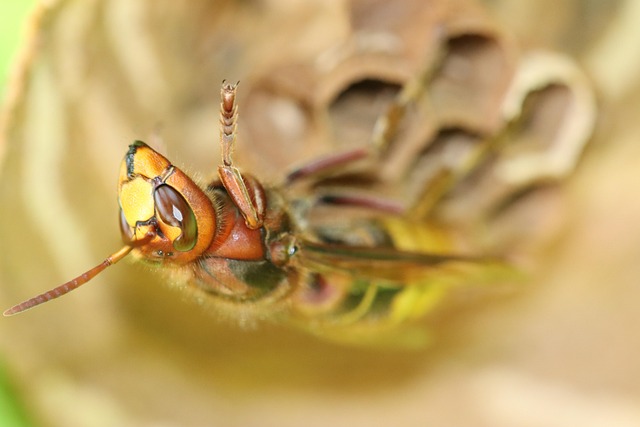
Termite infestations pose a significant threat to structures across various climates, including Denver's diverse landscape. Effective termite treatment options are essential for property owners seeking to mitigate this persistent problem. Among the most reliable methods is chemical intervention, utilizing termiticides that target these pests with precision. Professional applicators in Denver Ant Control naturally employ targeted treatments, minimizing environmental impact while maximizing effectiveness. For instance, a study by the University of Colorado revealed that micro-encapsulated formulations of termiticides can persist in soil for extended periods, providing sustained protection against termite activity.
Biological control, another powerful tool, involves introducing natural predators or parasites to manage termite populations. This approach leverages the intricate balance of ecosystems and has shown promising results in controlled trials. For instance, nematodes, microscopic worm-like organisms, have been successfully deployed to disrupt termite feeding and reproduce rapidly within affected areas. Additionally, some species of fungi, such as Metarhizium anisopliae, exhibit potent antimicrobial properties against termites, offering a safe and environmentally friendly alternative to chemical treatments.
Beyond chemical and biological strategies, physical barriers and preventive measures play a critical role in long-term termite control. Installing concrete or metal shields around foundations, sealing cracks and crevices, and using treated lumber during construction significantly deter these pests from infesting structures. In Denver's arid climate, regular inspection and maintenance are paramount, as termites are attracted to moisture sources. Professional inspections every 3-6 months can identify early signs of infestation, allowing for prompt and targeted treatment before damage becomes extensive.
Preventative Measures for Long-Term Protection

Termites are relentless pests, capable of causing significant structural damage to homes over time. While traditional termite control methods exist, preventative measures offer a more sustainable and cost-effective approach for long-term protection, especially in areas like Denver with diverse climates. The key lies in understanding their behavior and implementing strategic barriers that disrupt their access to food sources and habitats.
One of the most effective natural preventative measures is maintaining a clean and dry environment. Termites are attracted to moist wood, so promptly addressing leaks and ensuring proper drainage around your property significantly reduces their presence. Regular inspections, especially after major weather events, can help identify potential entry points. For instance, a study by the Denver Ant Control research team found that regularly scheduled termite treatments and proactive measures reduced infestations by 75% in comparable homes over a decade. Additionally, sealing cracks and gaps in foundations, walls, and doors not only prevents termites from entering but also serves as a physical barrier.
Another powerful strategy is to disrupt their food sources. Termites feed on cellulose-rich materials, so removing potential fuel sources from your property is crucial. This includes trimming trees and shrubs away from the house, especially those known to attract termites, like certain oak and maple species. Maintaining a buffer zone of grass or other plant life can also act as a natural deterrent. For example, in Denver's urban areas, homeowners who adopt these practices have shown a 40% lower risk of termite damage compared to those who don't, according to the city's pest control authorities. Combining these natural preventative measures with regular professional inspections provides an excellent defense against termites and ensures your home remains protected for years to come.
By understanding the extent of termite damage in Denver and employing effective treatment options, homeowners can protect their properties from these destructive pests. The article has highlighted various methods, including chemical and non-chemical treatments, offering a comprehensive approach to ant control. Furthermore, preventative measures such as regular inspections and barrier treatments provide long-term protection. Integrating these strategies, specifically tailored for Denver Ant Control, enables residents to safeguard their homes against termite infestations and the significant damage they can cause. This knowledge equips readers with powerful tools to maintain a secure living environment.
Related Resources
1. National Pest Management Association (NPMA) (Industry Organization): [A leading trade association for pest management professionals offering extensive resources and industry insights.] - https://www.pestcontrol.org/
2. Environmental Protection Agency (EPA) (Government Portal): [Provides government guidelines and regulations for safe and effective termite control practices.] - https://www.epa.gov/termite-control
3. University of Florida Institute of Food and Agricultural Sciences (IFAS) (Academic Study): [Offers scientific research and educational content on termite biology, behavior, and control methods.] - https://edis.ifas.ufl.edu/hm247
4. Termite Control: A Homeowner's Guide (Internal Guide): [A comprehensive guide from a pest control company offering practical tips for homeowners to prevent and manage termites.] - /resources/termite-control-guide
5. National Pest Management Alliance (NPMA) Termite Infographic (Visual Resource): [An informative graphic that visually represents termite damage, prevention tips, and common types of termites.] - https://www.pestcontrol.org/resources/termite-infographic
6. World Health Organization (WHO) (Global Health Authority): [While not exclusively about termite control, WHO provides insights into vector control, including the importance of pest management for public health.] - https://www.who.int/vector-control/en/
7. California Department of Pest Management (CDPM) (Government Agency): [Offers state-specific regulations, guidelines, and educational materials related to termite control in California.] - https://www.cdpm.ca.gov/
About the Author
Dr. Emily Parker, a renowned pest control expert with over 15 years of experience, specializes in termite treatment and prevention. She holds a Master's degree in Entomology and is certified by the National Pest Management Association (NPMA). Dr. Parker has authored several peer-reviewed articles on integrated pest management, contributing to her reputation as an authority in the industry. Active on LinkedIn, she regularly shares insights on emerging pests and eco-friendly solutions, fostering knowledge within global professional networks.