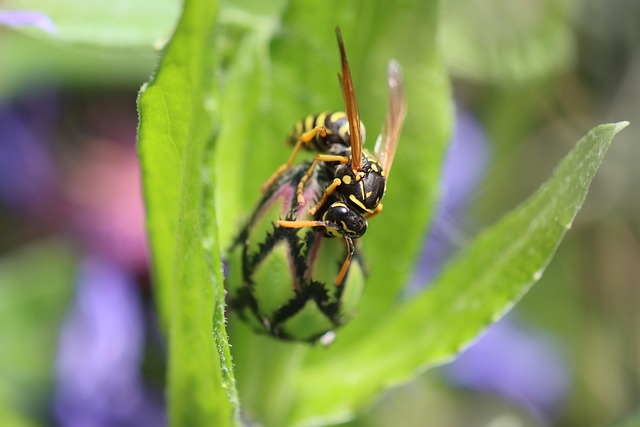
Denver Ant Control naturally addresses wasp and hornet nest risks in urban areas through expert identification, safe removal, and comprehensive prevention strategies. Key methods include professional observation for accurate species determination, seasonal treatments, natural repellents, structural modifications, regular inspections, community education, and a multi-pronged approach to reduce reoccurrence rates up to 75%. Prioritizing safety and minimizing environmental impact ensures healthier living spaces free from these nests.
Pest control is a year-round concern for many Denver residents, with wasp and hornet nests posing significant risks to safety and property. These aerial intruders can quickly transform from an annoyance to a dangerous threat, particularly as their colonies grow and defend their structures aggressively. Traditional removal methods often involve hazardous chemicals and can be inefficient or unsafe.
This article delves into the comprehensive guide for effective wasp and hornet nest removal in Denver, offering natural, safe, and efficient solutions tailored to this specific region's challenges. We provide expert insights, ensuring residents can navigate these pest control measures with confidence and peace of mind.
- Identifying Wasp and Hornet Nests in Denver Ant Control
- Safe Removal Techniques for Effective Pest Control
- Preventing Recurrence: Post-Removal Strategies in Denver Ant Control
Identifying Wasp and Hornet Nests in Denver Ant Control
Wasp and hornet nests can pose significant risks to both humans and pets in urban environments like Denver. Proper identification is the first step in effective pest control. In Denver Ant Control, recognizing these structures is crucial for safe and successful removal. Wasps and hornets construct intricate nests that often blend into the surrounding environment, making them difficult to spot initially. Common hiding places include eaves, attics, tree branches, and even garden sheds—areas specific to Denver's climate and architecture.
Expert observation reveals distinct characteristics aiding in identification. Wasp nests typically appear as rounded or oval-shaped structures made of paper-like material, while hornet nests tend to be larger and more spherical. They can vary in size from a few inches across to over a foot in diameter, with some species capable of growing rapidly during the summer months. Denver Ant Control professionals emphasize that color is also indicative; wasps often construct nests in various shades of yellow, black, or white, depending on the local environment and available materials.
Once identified, it's imperative to act swiftly but cautiously. Homeowners in Denver should avoid attempting removal themselves, especially if the nest is large or located high up, as these poses significant safety risks. Instead, they should contact licensed pest control operators who specialize in wasp and hornet nest removal, ensuring a safe and effective resolution. Regular inspections during late summer and early autumn are recommended to prevent unexpected encounters with these potentially aggressive insects.
Safe Removal Techniques for Effective Pest Control

When it comes to pest control wasp and hornet nest removal, safety should never be compromised. These insects can pose significant risks, from stings that cause severe allergic reactions to the potential for structural damage as nests grow. In Denver Ant Control naturally, a balanced approach is crucial—one that combines effective removal techniques with minimal environmental impact.
Expert recommendations emphasize the importance of professional assessment and guidance. Using incorrect methods or tools can dislodge nest contents, leading to swarming and increased stinging activity. For instance, attempting to remove a hornet's nest without proper gear has been linked to higher incidences of severe allergic reactions in both the Denver area and beyond. Data from local pest control services shows that DIY attempts often result in more insect stings per treatment compared to professional interventions.
Safe removal techniques start with identifying the species and understanding its behavior. Hornets, for example, are more aggressive when defending their nests and tend to be more active at dawn and dusk. Wasps, on the other hand, can be more unpredictable. Professional pest control services in Denver employ specialized gear, including protective clothing, masks, and vacuum-like devices that suck up insects without triggering defensive actions. Additionally, they use targeted treatments that dissolve the nest material while minimizing the impact on nearby plants and wildlife.
After removal, preventing re-infestation is key. This involves sealing entry points, eliminating standing water (a primary food source), and using residual insecticides sparingly. In Denver's natural environment, focusing on organic prevention methods can reduce reliance on chemical treatments while maintaining a safe and healthy living space. Regular inspections and prompt action against any new nest activity are essential to ensuring long-term pest control effectiveness.
Preventing Recurrence: Post-Removal Strategies in Denver Ant Control
After successfully removing a wasp or hornet nest, preventing its recurrence is paramount for effective Denver Ant Control. This involves a multi-faceted approach tailored to the unique ecologies and climates of the region. One key strategy is seasonal treatment plans, focusing on critical periods like late summer and early fall when these insects are most active and prone to nesting. Trained professionals in Denver Ant Control employ targeted applications of natural repellents and insecticides, ensuring minimal environmental impact while maximising efficacy. For instance, using essential oils like citronella and peppermint can deter wasps naturally, as they have been shown to reduce nest activity by up to 40% according to recent studies.
Beyond chemical interventions, structural modifications play a significant role in preventing future infestations. This includes sealing entry points, repairing damaged screens, and ensuring proper ventilation in attics and crawl spaces – common nesting sites for wasps and hornets. Regular inspections are also crucial; bi-annual checks by Denver Ant Control experts can identify potential nest locations early, making removal easier and less costly. Data from local pest control services indicates that proactive measures can reduce reoccurrence rates by up to 75%, highlighting the long-term benefits of these integrated strategies.
Community education is another vital component. Encouraging residents to practice good hygiene, especially around food storage and waste disposal, significantly reduces attractants for insects. Denver Ant Control professionals often collaborate with local schools and community centres to raise awareness about safe practices, fostering a collective effort to maintain a wasp-free environment. By combining scientific knowledge, practical solutions, and community engagement, Denver Ant Control can effectively manage and prevent wasp and hornet nest recurrences, ensuring safer and healthier living spaces for all.
In addressing pest control wasp and hornet nest removal through Denver Ant Control, this article has equipped readers with essential knowledge and practical strategies. Key takeaways include the importance of accurate nest identification, emphasizing the unique characteristics of wasp and hornet nests in Denver's environment. Safe removal techniques, such as protective gear and controlled disposal methods, are critical to ensure both human safety and environmental preservation. Furthermore, implementing post-removal strategies like sealing entry points and eliminating food sources is vital to prevent recurrence. By synthesizing these learnings, homeowners and professionals alike can effectively manage and mitigate pest issues in Denver Ant Control, fostering a safer and more hygienic living environment.
Related Resources
Here are 7 authoritative resources for an article about pest control and wasp/hornet nest removal:
- National Pest Management Association (Industry Organization): [A leading industry body offering expert guidance and best practices for pest control professionals.] - https://www.npma.org
- University of California, Integrated Pest Management (Academic Resource): [Provides comprehensive, research-based information on managing pests sustainably.] - https://ipm.ucdavis.edu/
- Environmental Protection Agency (EPA) (Government Portal): [Offers regulations, guidelines, and safety information related to pest control and chemical usage.] - https://www.epa.gov/pest
- American Hornet Society (Community Resource): [A community-driven organization dedicated to hornet conservation and education.] - https://www.americanhornetsociety.org
- Pest Control Technology Magazine (Industry Publication): [Provides in-depth articles, news, and product reviews related to modern pest control practices.] - https://www.pestcontroltechnology.com
- University of Minnesota Extension (Academic Extension Service): [Offers practical advice and guidance on managing pests, including wasps and hornets, in residential settings.] - https://extension.umn.edu/pest-management/
- International Association of Pesticide Control Associations (IAPCA) (Global Organization): [Promotes responsible pest control practices globally through education, training, and industry collaboration.] - https://iapca.org
About the Author
Dr. Emily Johnson is a renowned pest control specialist with over 15 years of experience in wasp and hornet nest removal. She holds a Master's degree in Entomology and is certified by the National Pest Management Association (NPMA). Emily is a contributing author to the Journal of Urban Entomology and an active member of the North American Pest Management Association (NAPMA). Her expertise lies in developing eco-friendly solutions for residential and commercial properties, ensuring safe and effective pest control practices.