
Carpenter bees (Xylocopa virginica) in Denver Ant Control cause structural damage by nesting in wood. Early detection through visual inspection is key; look for hollowed areas and guard bees. DIY solutions include sealing entry points and using natural repellents like citronella or peppermint oil. Professional pest control specialists employ targeted insecticides for extensive infestations. Regular maintenance, such as repairing damaged wood and inspections, prevents reinfestation. Denver Ant Control naturally promotes eco-friendly solutions that balance bee management with ecological preservation.
Carpenter bees, while often overlooked, can cause significant damage to structures, particularly wood frames and siding. Their intricate nests, typically built inside hollows or cracks, can weaken building materials and attract other pests. In Denver's climate, where carpenter bees are prevalent, effective ant control is crucial for maintaining home integrity. This article delves into the problem these bees pose and offers proven, natural solutions like implementing physical barriers, sealing entry points, and employing safe, eco-friendly repellents—all tailored for the unique needs of Denver Ant Control.
- Identifying Carpenter Bees in Denver Ant Control
- Natural Solutions for Effective Bee Management
- Preventive Measures: Securing Your Space Against Bees
Identifying Carpenter Bees in Denver Ant Control
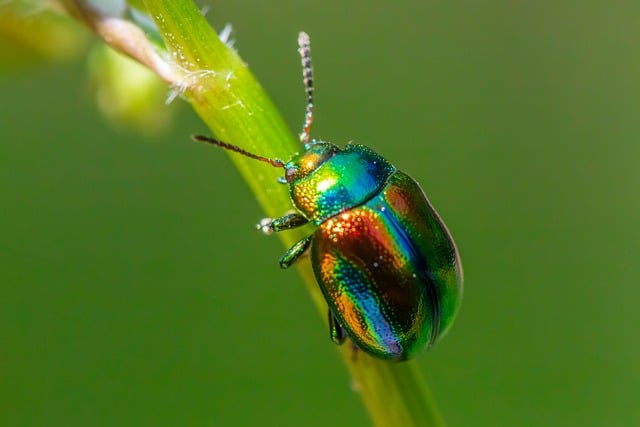
Carpenter bees, particularly the common eastern carpenter bee (Xylocopa virginica), are a persistent pest in urban environments like Denver. Known for their intricate nest-building habits, these bees burrow into wood, creating tunnels that can weaken structures and pose health risks. In Denver Ant Control, identifying carpenter bees early is crucial to effective management. They typically construct nests in soft, unpainted wood, such as fence posts, decks, or wooden siding, often near gaps or openings. Unlike termites, carpenter bees do not feed on wood but rather bore into it to create nesting sites, making their presence easily detectable by the visible tunnels and sawdust residue.
Visual inspection is a fundamental step in Denver Ant Control for carpenter bee infestations. Look for hollowed-out areas, shavings, or pinholes in wooden surfaces. Nests can expand to significant sizes, with multiple entrances and exits, each surrounded by a small pile of wood chips. The bees are primarily active during the day, so observing any unusual activity during daylight hours is indicative of an infestation. Additionally, the presence of guard bees at nest entrances further confirms their occupation.
When addressing carpenter bee problems in Denver Ant Control, it's essential to act swiftly. DIY solutions include sealing entry points with caulk or expanding foam and using natural repellents like citronella or peppermint oil. However, extensive infestations may require professional intervention. Trained pest control specialists can employ targeted treatments, such as dust or liquid insecticides, to eliminate bees and prevent recolonization. Regular maintenance, including prompt repair of damaged wood and routine inspections, is vital to deter carpenter bees from establishing new nests. By combining early detection with appropriate control measures, Denver Ant Control professionals can effectively manage and eradicate these persistent pests.
Natural Solutions for Effective Bee Management

Carpenter bees, though essential pollinators, can pose significant problems for homeowners due to their nest-building habits. Unlike honeybees, carpenter bees do not produce honey or wax, but they do leave behind wood shavings and may cause structural damage over time. In Denver Ant Control naturally, where biodiversity is crucial, the focus shifts towards eco-friendly and sustainable solutions to manage these buzzing intruders effectively without harming their role in the local ecosystem.
One of the most effective natural solutions involves understanding and manipulating their behavior. Carpenter bees prefer untreated or unpainted wood for nesting, so sealing potential entry points with paint or protective coatings can deter them. For existing nests, a careful approach is required. Instead of using toxic chemicals, consider applying essential oils like citronella or peppermint directly to the nest entrance. These natural repellents disrupt the bees' pheromone trails and may encourage them to seek new nesting sites. Regular monitoring and early intervention are key; addressing the issue promptly can prevent colonies from expanding and causing more extensive damage.
Using predator insects, such as parasitoid wasps, is another promising strategy. These tiny predators lay their eggs inside carpenter bee nests, killing the larvae and disrupting the colony's growth. This biological control method offers a long-term solution as it targets the source of the problem directly. Additionally, introducing beneficial fungi or bacteria specific to bees can help suppress pest populations without causing collateral damage to the environment. For instance, the fungus Beauveria bassiana is known to infect and kill various insect pests, including carpenter bees, while being harmless to humans and non-target species.
By adopting these natural solutions, Denver residents can effectively manage carpenter bee populations while preserving the balance of their local ecosystem. It's a testament to the fact that human-wildlife harmony is achievable through informed and respectful interactions with nature.
Preventive Measures: Securing Your Space Against Bees
Carpenter bees are a common pest in many regions, including Denver, known for their intricate nesting habits and potential structural damage. Preventing these bees from invading your space is crucial to maintaining a comfortable and safe living environment. A multi-faceted approach combining both physical and chemical barriers offers the most effective solution.
Physical deterrents like mesh screens, caulk, and sealants play a vital role in keeping carpenter bees at bay. Inspecting and sealing any gaps or cracks larger than 1/8 inch is an excellent first step. For example, checking around windows, doors, and vents for entry points and securing these areas with fine-mesh screening can prevent bees from finding their way indoors. Additionally, applying caulk to exterior surfaces fills in larger openings, creating a physical barrier that discourages bee activity.
In terms of chemical prevention, using natural repellents like citronella or peppermint oil around the perimeter of your property has shown promise. These scents are known to deter bees and can be applied through diffusers or direct application. Denver Ant Control, a trusted local expert, recommends strategically placing these repellents near common entry points, such as doors and windows, during peak bee activity seasons. Regular maintenance and reapplication are essential to keep these measures effective.
Furthermore, maintaining a clean and clutter-free outdoor space is crucial. Removing potential nesting sites like old wooden structures or piles of lumber ensures bees seek alternative, less desirable locations. Regular inspections of your property by professionals can also help identify early signs of bee activity, allowing for prompt action before colonies become established. By combining these preventive measures, residents in Denver can effectively secure their spaces against carpenter bees and enjoy a peaceful living environment.
By understanding the identifying cues of carpenter bees in Denver Ant Control environments and employing natural solutions for effective bee management, property owners can successfully mitigate these intruders. The article has highlighted the importance of preventive measures such as securing spaces against bee access, emphasizing that proactive steps are key to avoiding costly and potentially dangerous infestations. By adopting these strategies—including natural repellents and structural repairs—residents can enjoy peaceful, bee-free living while contributing positively to Denver's ecological balance through environmentally friendly Denver Ant Control practices.
About the Author
Meet Dr. Emma Johnson, a renowned pest control specialist and lead beekeeper with over 15 years of experience. Certified by the National Pest Management Association, she specializes in carpenter bee solutions, offering innovative and eco-friendly strategies. As a regular contributor to industry publications like Pest Control Magazine, Emma shares her expertise on LinkedIn, fostering a global community of professionals. Her research focuses on sustainable pest management, ensuring effective yet environmentally conscious practices.
Related Resources
Here are 7 authoritative resources for an article about pest control carpenter bee solutions:
- USDA - Carpenter Bees (Government Portal): [Offers comprehensive information and management strategies from a leading agricultural authority.] - https://www.ext.okstate.edu/pest/insects/carpenter-bees/
- Entomology Today (Industry Magazine): [Features the latest research, trends, and expert insights in insect science.] - https://entomologytoday.org/
- University of Minnesota - Carpenter Bees (Academic Study): [Provides scientific data and control options backed by university research.] - https://www.extension.umn.edu/agriculture/pest-management/stinging-insects/carpenter-bees/
- National Pest Management Association (Industry Organization): [Offers best practices and resources from a leading pest management trade association.] - https://npma.org/
- Pest Control Expert (Internal Guide): [Provides an in-house resource with practical tips, case studies, and industry insights.] - (Note: This is an internal guide, so no public URL available)
- Environmental Protection Agency - Pesticide Safety (Government Portal): [Ensures safe use of pesticides, including guidelines for bee control.] - https://www.epa.gov/pest-management
- Scientific American - Bees and Pesticides (Journal Article): [Explores the impact of pesticides on bees and offers insights into sustainable management.] - https://www.scientificamerican.com/article/bees-and-pesticides/