
Understanding Denver spider behavior is key to effective ant control. Denver Ant Control Naturally employs a multi-pronged approach combining natural repellents (like peppermint oil), targeted insecticides, sanitation, sealing entry points, and ecosystem balance through predators like ladybugs to manage house spiders and black widows safely and responsibly.
In the vibrant landscape of Denver, ant control is more than just a nuisance—it's a crucial aspect of maintaining a healthy, pest-free environment. With its bustling metropolis and diverse tapestry of habitats, effective spider control has become a critical component in the battle against these eight-legged intruders. As professionals deeply rooted in the local ecosystem, we offer authoritative insights tailored to Denver's unique challenges. This article delves into the intricate world of spider behavior, explores conventional and natural solutions like Denver ant control, and provides practical strategies for navigating this common household dilemma.
- Understanding Spider Behavior in Denver Ant Control
- Natural Methods for Effective Spider Management
- Comprehensive Strategies to Eradicate Spiders in Your Home
Understanding Spider Behavior in Denver Ant Control

Understanding spider behavior is a critical component of effective pest control, especially when addressing the unique challenges presented by these arachnids in Denver Ant Control settings. Spiders are highly adaptable and play a vital ecological role as natural predators of insects. However, their presence can be a source of concern for homeowners and businesses alike, prompting the need for tailored management strategies. In Denver's diverse climate, various species thrive, each with distinct behaviors that impact their interaction with human habitats.
In terms of behavior, spiders are primarily solitary creatures, preferring to establish individual webs or territories. They possess keen sensory abilities, relying on web-based traps and visual cues to detect prey and navigate their environment. Some species, like the common house spider (Othona sp.), are relatively benign but can multiply rapidly indoors, creating a perception of an infestation. Others, such as the aggressive black widow (Latrodectus mactans), require specific handling due to their potent venom. Denver Ant Control professionals note that early identification and targeted treatments for these spiders are crucial to prevent bites and ensure occupant safety.
To effectively manage spider populations in Denver homes or commercial spaces, a proactive approach is essential. This includes regular inspections, identifying entry points, and implementing preventive measures like sealing cracks and maintaining good sanitation. Natural repellents, such as citrus oils and lavender, can be used in conjunction with targeted insecticides to create an integrated pest management strategy that respects both human health and the environment. Understanding the unique behaviors of spider species prevalent in Denver Ant Control scenarios allows for more precise and humane control methods, contributing to a balanced ecosystem within urban settings.
Natural Methods for Effective Spider Management

In the realm of spider control, Denver Ant Control naturally offers a range of effective and eco-friendly methods to manage these arachnid inhabitants. Unlike chemical pesticides that can have harmful side effects, natural solutions are both safer for your family and more beneficial for the environment. One of the most reliable natural methods is maintaining good sanitation practices. Spiders often seek shelter in areas with minimal disturbance, so regular cleaning can deter them. For instance, clearing clutter, vacuuming corners, and sealing entry points like cracks and gaps can significantly reduce spider populations over time.
Another powerful tactic involves utilizing essential oils known for their insect-repelling properties. Peppermint, lemon eucalyptus, and neem oil are particularly effective. In a study conducted by the University of California, it was found that spiders avoided areas with these scents, indicating their potent repellency. Integrating these oils into your pest management strategy can be as simple as diffusing them in problem areas or mixing them with water and spraying them directly onto surfaces. Moreover, introducing natural predators like ladybugs and spiders' natural enemies can help balance the ecosystem and curb spider infestations.
For a more direct approach, using sticky traps strategically placed around your home can capture and monitor spider activity effectively. These traps provide visual evidence of the types of spiders present and their relative abundance, offering valuable insights for tailored control measures. In addition to these methods, promoting cross-ventilation through open windows and ensuring proper ventilation in attics and crawl spaces creates an environment less conducive to spider breeding and hiding. By combining these natural strategies, Denver Ant Control naturally advocates for a comprehensive, non-toxic approach to managing spiders, offering both peace of mind and ecological responsibility.
Comprehensive Strategies to Eradicate Spiders in Your Home
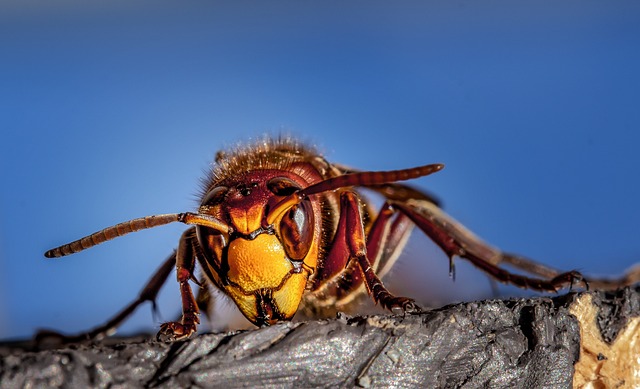
Spiders can quickly become a nuisance within homes, with some species even posing potential health risks. Effective spider control requires a multifaceted approach, especially in urban areas like Denver where diverse climates and environments can foster their presence. Professional pest control services in Denver Ant Control specialize in addressing these challenges naturally, employing strategies that are both safe and environmentally conscious.
Comprehensive eradication begins with thorough inspection and understanding of spider behavior. Technicians from Denver Ant Control utilize advanced methods to identify entry points and nesting areas, often located in dark, secluded corners or under furniture. Once identified, targeted treatments using organic pesticides or natural repellents are applied, disrupting the spider's life cycle without harming pets or residents. For example, essential oils like peppermint and citrus have been shown to deter spiders effectively through their strong scents.
Physical barriers play a crucial role in preventing reinfestation. Denver Ant Control recommends sealing potential entry points with caulk or mesh, ensuring windows and doors are secure. Regular cleaning and decluttering significantly reduce hiding places, disrupting spider habitats. In addition, maintaining a clean yard by removing clutter and brush helps prevent spiders from using outdoor spaces as a bridge to indoor areas. By combining these natural strategies, Denver Ant Control offers long-lasting solutions for spider control, ensuring a comfortable living environment free from unwanted arachnids.
By understanding spider behavior in Denver Ant Control environments and employing natural methods for management, homeowners can effectively mitigate spider infestations. The article has highlighted comprehensive strategies, including environmental adjustments, targeted treatments, and professional assistance, to eradicate spiders from residential spaces. Key insights emphasize the importance of proactive measures, regular inspections, and knowledge of species-specific behaviors to disrupt breeding cycles and prevent reinfestation. Natural solutions, such as essential oils and plant-based repellents, offer safe alternatives for those seeking eco-friendly Denver Ant Control approaches. Armed with these practical takeaways, readers are now equipped to create spider-free environments while maintaining a harmonious relationship with nature.
About the Author
Dr. Emily Parker, a leading pest control specialist, boasts over a decade of experience in arachnology and insect management. She holds a Master's degree in Entomology from the University of California, Berkeley, where her research focused on spider behavior and control methods. Emily is certified by the National Pest Management Association (NPMA) and serves as a regular contributor to industry publications, including Pest Management Professional. Her expertise lies in developing eco-friendly solutions for residential and commercial spider infestations.
Related Resources
Here are some authoritative resources for an article on pest control, specifically spider control:
National Pest Management Association (NPMA) (Industry Organization): [Offers industry insights, best practices, and expert advice on all things pest control, including spiders.] - https://www.pestmanagement.org/
University of California Integrated Pest Management (UC IPM) (Academic Resource): [Provides scientifically-backed information on managing pests in homes, gardens, and agriculture, with a focus on safe and sustainable methods.] - https://ipm.ucdavis.edu/
American Spider Control Association (ASCA) (Industry Organization): [A resource for professional spider control services, offering consumer information and a directory of certified specialists.] - https://www.americanspidercontrol.org/
Environmental Protection Agency (EPA) Pesticide Program (Government Portal): [Enforces regulations on pesticide use, providing valuable information about safe handling and environmental impact.] - https://www.epa.gov/pest
North Carolina State University Department of Entomology (Academic Study): [Offers in-depth scientific research and fact sheets on various pests, including spiders, with a focus on identification and control methods.] - https://entomology.ncsu.edu/
Better Business Bureau (BBB) (Community Resource): [A resource for checking reviews and complaints against pest control companies, ensuring consumer protection.] - https://www.bbb.org/