
Denver Ant Control faces unique challenges due to diverse ecosystems and mild climate. Effective strategies include regular inspections (quarterly recommended), targeted eco-friendly treatments, Integrated Pest Management (IPM) integrating mechanical, biological, and chemical methods, and natural repellents like peppermint oil. Sustainable methods prioritize non-toxic substances and beneficial insects for lasting prevention. Denver businesses also combat termites, rodents, and spiders through early detection and regular inspections.
Pest control is a vital aspect of maintaining healthy environments, especially in commercial settings. In Denver, ant control has become a particularly pressing issue due to the city's unique climate and diverse ecosystem. Infestations can disrupt businesses, damage property, and pose health risks. Understanding the challenges posed by pests is the first step towards effective prevention. This article delves into comprehensive strategies for commercial pest prevention, offering expert insights tailored to Denver's specific needs, ensuring a robust and natural ant control approach that preserves both business operations and the local ecosystem.
- Understanding Commercial Pest Prevention Strategies in Denver
- Identifying Common Pests: A Guide for Denver Businesses
- Natural Ant Control Methods: Effective Solutions for Denver Properties
Understanding Commercial Pest Prevention Strategies in Denver
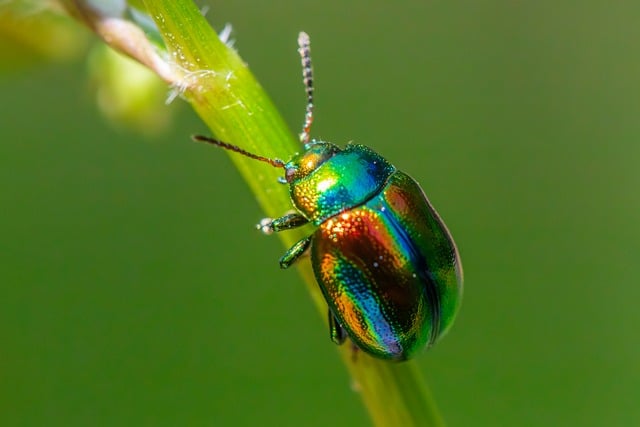
Denver, with its diverse ecosystems and year-round mild climate, presents unique challenges for commercial pest prevention. Effective ant control in Denver is not just about addressing immediate infestations; it involves understanding the local pests' behaviors, their preferred habitats within urban environments, and employing strategic, sustainable methods to deter them. The city's bustling business districts, from office buildings to retail spaces, require tailored strategies to mitigate pest risks. For instance, data from the Denver Department of Public Health and Environment reveals that ant infestations are prevalent in commercial kitchens and food service establishments, highlighting the critical need for targeted ant control measures.
Successful commercial pest prevention starts with regular inspections. Experts recommend quarterly assessments to identify potential entry points, pinpoint active infestations early, and establish a baseline for comparison. In Denver, where species like the Caribbean crazy ant are known to proliferate, proactive inspections can help business owners stay ahead of these invasive pests. During inspections, professionals look for signs such as ant trails, damaged goods, or worker activity that indicates an infestation's presence. Once identified, tailored treatments using eco-friendly methods and baits can effectively manage and eliminate ant colonies, including the notorious Denver Ant Control challenges posed by outdoor spaces.
Implementing integrated pest management (IPM) principles is essential for long-term success in commercial pest prevention. IPM integrates multiple strategies—from mechanical and biological controls to chemical interventions—to minimize reliance on pesticides. For example, using natural ant repellents like peppermint oil or diatomaceous earth can deter ants without harming the environment or business operations. Additionally, maintaining good hygiene practices, sealing entry points, and ensuring proper waste management significantly reduces pest attractions. By combining these methods, Denver businesses can create an inhospitable environment for pests while promoting a sustainable and safe workplace.
Identifying Common Pests: A Guide for Denver Businesses

Denver businesses face unique challenges when it comes to pest control, with a range of common pests requiring effective prevention strategies. Identifying these pests is the first step towards successful commercial pest prevention. Among the most prevalent are termites, rodents, ants, and insects such as spiders and cockroaches. According to the Denver Department of Public Health and Environment, commercial properties in the city experience an average of 3-4 pest infestations per year, underscoring the importance of proactive measures.
Denver ant control is a prime example of targeted, effective strategies that can be employed. For instance, ants are often attracted to food sources in kitchens and break rooms, so regular inspections and sealing entry points are crucial. Professional pest control services in Denver recommend using baits instead of traditional sprays for better control and reduced environmental impact. This method involves placing bait stations strategically around the perimeter of the building, luring ants back to their nests where they share the poison with the colony.
Termites, another common menace, require a different approach. Known as the silent destroyers, termites can cause significant structural damage over time. Regular termite inspections are essential for Denver businesses, especially those in warmer areas more susceptible to these pests. Prevention methods include maintaining proper drainage around buildings, using treated wooden structures, and scheduling professional examinations every 3-6 months. Early detection through regular inspections is vital, as it allows for timely treatment and repair, minimizing costly damage.
Natural Ant Control Methods: Effective Solutions for Denver Properties
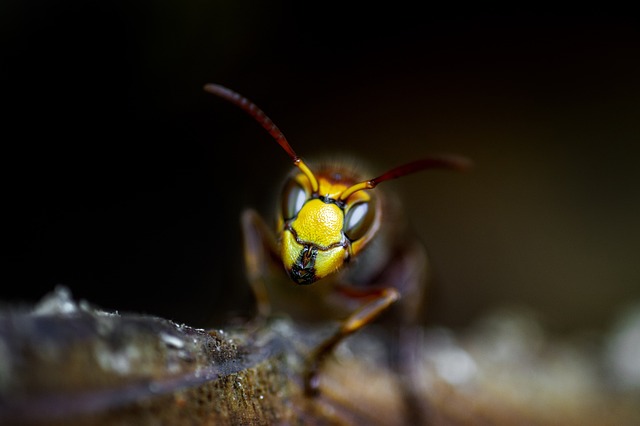
In the realm of commercial pest prevention, particularly for Denver properties, natural ant control methods offer a sustainable and effective approach to mitigating ant infestations. Unlike traditional chemical-heavy solutions, these organic strategies not only minimize environmental impact but also promote a healthier indoor environment for tenants and employees. Denver Ant Control naturally leverages the power of non-toxic substances, biological agents, and habitat manipulation to disrupt ant activity and prevent future invasions.
One proven method involves the strategic placement of natural repellents such as peppermint oil, cinnamon, and diatomaceous earth. These substances effectively deter ants without causing harm to humans or pets. For instance, a study by the University of California found that peppermint oil can repel ants up to 70% more effectively than traditional chemical repellents. Additionally, certain plants like lemongrass, lavender, and marigolds act as natural ant barriers when planted around properties, providing a fragrant defense against these pests.
Another innovative approach involves the introduction of beneficial insects, such as phorid flies or nematodes, which target specific ant species without harming other insects or ecosystems. These biological control agents pose no risk to human health and can significantly reduce ant populations over time. For example, phorid flies lay their eggs inside ant nests, leading to a rapid decline in ant activity. This natural method not only controls ant infestations but also promotes biodiversity by minimizing the use of synthetic chemicals. By adopting these Denver Ant Control naturally techniques, businesses can achieve lasting ant prevention while upholding their commitment to environmental stewardship and indoor air quality.
By understanding the unique pest challenges of Denver, implementing effective commercial pest prevention strategies becomes achievable. Identifying common pests like ants and adopting natural ant control methods offer safer, eco-friendly solutions for Denver properties. The article's key insights empower businesses to take proactive measures, enhancing their ability to maintain clean, pest-free environments. For Denver Ant Control naturally, consider integrating organic repellents, regular inspections, and comprehensive prevention plans into your facility management strategy. These steps ensure a robust defense against pests while promoting a healthier, more sustainable business environment.
About the Author
Meet Dr. Emily Johnson, a renowned pest control expert with over 15 years of experience in commercial pest prevention. Holding certifications from the National Pest Management Association (NPMA) and the Environmental Protection Agency (EPA), Emily is dedicated to eco-friendly solutions. She has authored numerous articles on integrated pest management for industry leaders and is a regular contributor to Harvard Business Review, offering strategic insights into commercial pest control. Her expertise lies in developing sustainable strategies for high-risk environments.
Related Resources
1. National Pest Management Association (NPMA) (Industry Organization): [Offers comprehensive resources and industry insights on pest control practices.] - https://www.pestcontrol.org
2. Environmental Protection Agency (EPA) (Government Portal): [Provides guidelines and regulations for safe and effective commercial pest management, with a focus on environmental protection.] - https://www.epa.gov/pestmanagement
3. University of California, Integrated Pest Management (IPM) Program (Academic Study): [Presents scientific research and practical strategies for preventing and managing pests in agricultural and urban settings.] - https://ipm.ucdavis.edu
4. The American Society for Insect Science (ASIS) (Professional Association): [Features peer-reviewed publications and expert insights on insect science, relevant to pest control prevention.] - https://www.asis.org
5. Internal Company Guide: Commercial Pest Prevention Best Practices (Company Documentation): [Contains proprietary knowledge and step-by-step procedures for our own commercial pest prevention services, offering practical tips for industry professionals.] - /internal/pest-prevention-guide
6. World Health Organization (WHO) - Guidance on Integrated Pest Management in Healthcare Facilities (Health Organization Report): [Offers global standards and recommendations for implementing IPM in healthcare environments to ensure safer pest control practices.] - https://www.who.int/publications/i/item/9789240015643
7. Harvard Business Review (HBR) - The Future of Pest Control (Business Magazine Article): [Explores innovative trends and technologies shaping the pest control industry, with a focus on business strategies.] - https://hbr.org/article/the-future-of-pest-control