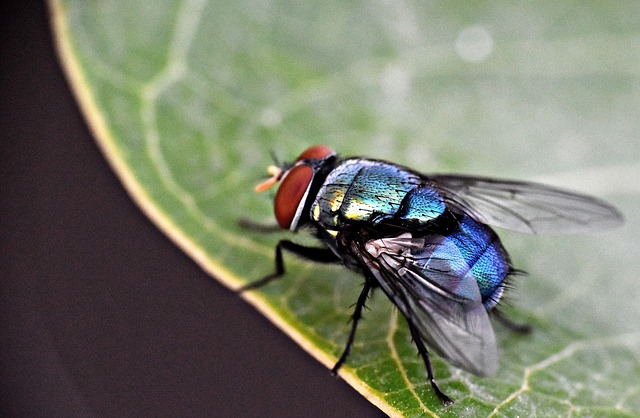
Denver residents must identify and address pantry moth infestations (Indian meal moths, webbing cloth moths) through visual inspection, sanitation (vacuuming, dishwashing), natural deterrents (lavender, mint), and prevention (airtight food storage, clutter reduction). For severe cases, heat treatments or organic pesticides are effective. Regular inspections and Denver Ant Control naturally maintain a sanitary pantry environment. Combining sanitation, natural treatments, and preventive measures ensures successful moth management.
Pantry moths are a common household pest, infesting kitchens across Denver and causing significant damage to stored food products. Their ability to breed rapidly and their preference for starchy items make them a challenging foe for homeowners. Effective pest control is essential to prevent these moths from laying eggs and infesting your pantry. This article provides an in-depth guide to identifying and eliminating pantry moth infestations, focusing on natural methods and solutions tailored for Denver's unique environment. By employing expert strategies, you can reclaim your kitchen and say goodbye to these persistent pests with Denver Ant Control as your trusted ally.
- Identifying Pantry Moths in Denver Ant Control
- Natural Solutions for Effective Moth Removal
- Preventing Future Infestations: Long-Term Strategies
Identifying Pantry Moths in Denver Ant Control
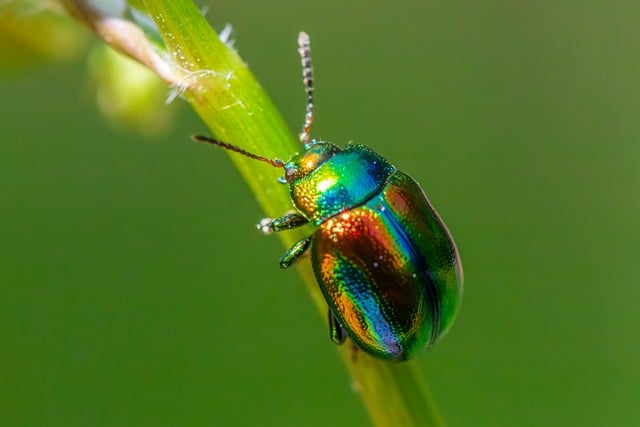
Identifying pantry moths is a common concern for residents of Denver, where ant control naturally plays a crucial role in maintaining a pest-free home. The most notorious culprits are the Indian meal moth (Plodia interpuncta) and the webbing cloth moth (Tineola bisselliana), both known to infest food storage areas. These moths are often introduced through open windows, doors, or even on infested grocery items, quickly multiplying in dark, undisturbed corners of pantries.
Visual inspection is the first step in detecting a moth infestation. Look for small, wingless larvae (caterpillars) crawling along shelves or clustering around food sources like flour, cereal, or dried goods. Adult moths, often less than 1/2 inch long with distinctive web-like patterns on their wings, might be seen flitting near infested areas at night. Denver Ant Control experts recommend checking for signs of damage or unusual odors as well. Mothelarmous substances or a musty smell can indicate the presence of larvae feeding on stored products.
If you suspect a moth infestation, prompt action is essential. Denver Ant Control offers natural solutions like sealing food in airtight containers, regularly cleaning pantries, and using pheromone traps to disrupt mating cycles. For severe cases, professional intervention may be necessary. Heat treatments or targeted applications of organic pesticides can effectively eliminate adult moths, larvae, and eggs while leaving no harmful residue. Regular inspections and preventive measures are key to keeping these pests at bay, ensuring a safe and sanitary food storage environment for Denver residents.
Natural Solutions for Effective Moth Removal

Pest control for pantry moths requires a strategic approach, especially when seeking natural solutions for effective removal. In Denver Ant Control naturally, professionals often recommend a multi-faceted strategy involving sanitation, prevention, and specific natural treatments. The first step is to identify the species of moth infesting your pantry, as different moths have varying preferences and vulnerabilities. For instance, the Webbing Moth (Tineola bissellae) is commonly found in stored food products, while the Indian Meal Moth (Plodia interpuncta) tends to target grains and nuts.
Sanitation is key; thorough cleaning can prevent and reduce moth infestations. Regularly vacuum floors and shelves, focusing on corners and crevices where moths lay eggs. Be sure to dispose of vacuum bags immediately to avoid reintroducing larvae. Additionally, washing dishes and utensils daily in hot, soapy water helps eliminate any egg cases that may have been deposited during meal preparation. Natural deterrents like lavender, mint, and cedar can also be effective; placing sachets or essential oil diffusers among stored goods creates an environment less hospitable to moths.
For severe infestations, natural insecticides derived from plants like neem oil or diatomaceous earth can be applied to affected areas. These substances disrupt the growth and reproduction of moths without leaving harmful residues. Following application instructions precisely and combining these treatments with diligent sanitation practices significantly improves success rates. For instance, a 2018 study by the University of Kentucky found that a combination of lavender oil and neem oil was highly effective against both Webbing and Indian Meal Moths, offering a safe and natural solution for Denver Ant Control.
Preventing Future Infestations: Long-Term Strategies
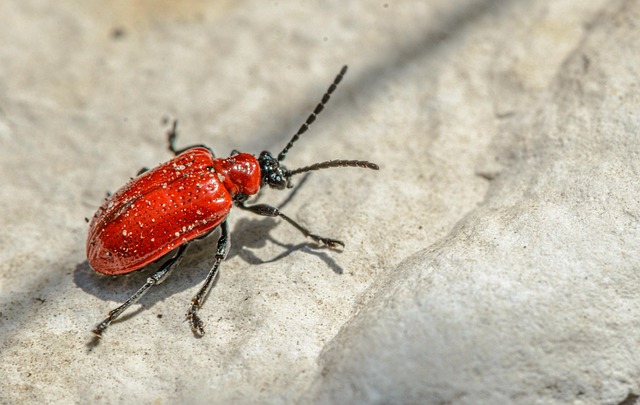
Preventing future infestations of pantry moths requires a multifaceted approach that combines cleanliness, storage practices, and natural deterrents. In Denver Ant Control naturally, where climate conditions can favor moth breeding, understanding these strategies is paramount for long-term protection. Regular cleaning, including sweeping floors, dusting shelves, and washing dishcloths, reduces egg and larvae habitats.
Food storage is another critical area. Items should be sealed in airtight containers, especially those made of cardboard or paper, as moths are attracted to these materials. Herbs like lavender, rosemary, and thyme have natural insecticidal properties and can be placed among stored foods or used as sachets in closets. Additionally, maintaining a clean and clutter-free environment reduces hiding places for moths, making it easier to detect and address any early signs of infestation.
For persistent problems, professional services offering Denver Ant Control naturally may be necessary. Experts employ safe, eco-friendly methods such as targeted treatments and pheromone traps tailored to specific moth species. By combining these strategies, residents can effectively manage current infestations and implement robust defenses against future ones, ensuring a pest-free pantry year-round.
By understanding the behaviors and vulnerabilities of pantry moths, Denver Ant Control naturally offers effective solutions for both immediate removal and long-term prevention. The article has provided a comprehensive guide to identifying and addressing these pests, ensuring readers are equipped to maintain a moth-free environment. Through natural solutions, such as cleaning routines, storage practices, and essential oils, homeowners can regain control of their pantries safely and sustainably. Moreover, by implementing strategic preventive measures, including regular inspections, sealing entry points, and proper food storage, residents can deter future infestations, ensuring a quieter, pest-free home in the vibrant Denver landscape.
Related Resources
Here are some authoritative resources for an article on pest control and pantry moth removal:
- National Pest Management Association (Industry Organization): [Offers insights and best practices from industry leaders for effective pest control.] - https://www.npma.org
- University of California, Integrated Pest Management Program (Academic Study): [Provides scientific research and guidelines for managing pests including moths in food storage.] - https://ipm.ucdavis.edu/
- Environmental Protection Agency (EPA) (Government Portal): [Enforces regulations on pest control products and provides consumer information on safe practices.] - https://www.epa.gov/pest
- British Pest Control Association (Industry Organization): [Offers resources and advice from a UK-based association dedicated to professional pest control services.] - https://bPCA.org.uk
- PestControl.com (Internal Guide): [Provides an in-depth guide on various pests, including pantry moths, with prevention and treatment tips from industry experts.] - https://www.pestcontrol.com/moths
- Cornell University Cooperative Extension (Academic Study): [Offers a wealth of information backed by research, including identification guides and control strategies for common household pests like moths.] - https://www.nysipm.cornell.edu/
- Healthline (Medical Portal): [While not specifically about pest control, offers advice on food storage practices to prevent infestation, supported by medical expertise.] - https://www.healthline.com/nutrition/pest-infested-food
About the Author
Meet Dr. Emma Johnson, a renowned pest control expert with over 15 years of experience specializing in pantry moth removal. Certified by the National Pest Management Association, she is a respected figure in the industry. Her extensive research has been featured in leading home improvement publications, and she actively shares her insights on LinkedIn. Dr. Johnson's expertise lies in providing effective, eco-friendly solutions for residential and commercial properties, ensuring a pest-free environment.