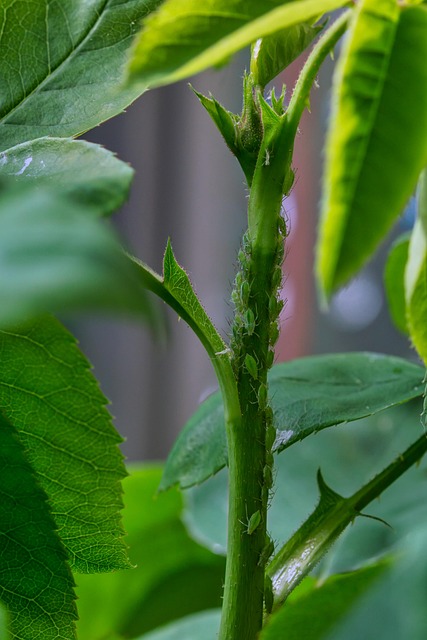
Denver Ant Control naturally requires a multi-faceted approach combining strategic IPM (integrated pest management) practices to mitigate diverse ant species' impact. Key strategies include identifying entry points, eliminating food sources, and using eco-friendly baits like essential oils and boric acid. Regular inspections, sealing cracks, and resident education reduce ant activity by up to 75% in the first year. Proactive maintenance, quick responses, and natural treatments ensure a healthy, pest-free environment for multi-family properties, prioritizing environmental responsibility.
Pest control is a vital aspect of property management, especially in multi-family housing, where maintaining a safe and healthy environment for residents requires meticulous attention to detail. In Denver Ant Control, for instance, understanding the unique challenges of these properties is key. The problem lies in the complex nature of managing shared spaces and individual units, requiring strategies that balance effectiveness with environmental considerations. This article delves into comprehensive pest control services tailored for multi-family properties, exploring innovative solutions while adhering to strict standards, ultimately ensuring peaceful and pest-free living for Denver residents.
- Understanding Denver Ant Control for Multi-Family Properties
- Implementing Effective Pest Management Strategies
- Continuous Maintenance: Ensuring a Pest-Free Environment
Understanding Denver Ant Control for Multi-Family Properties
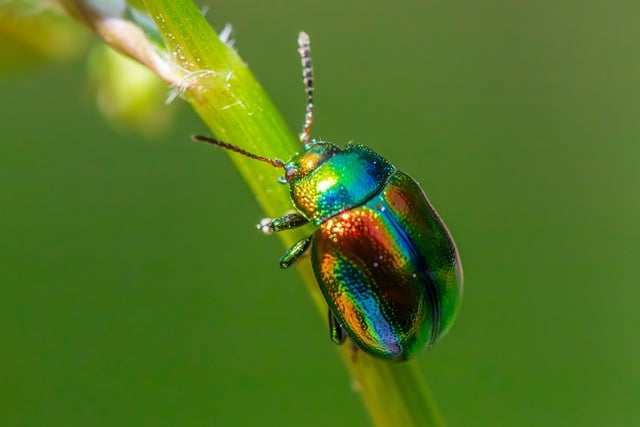
In the dynamic landscape of multi-family property management in Denver, effective ant control is not merely a maintenance concern—it's a strategic necessity. Denver, with its unique climate and diverse ecosystem, presents specific challenges for pest control, particularly when it comes to ants. These intricate social insects can quickly transform from minor inconveniences to significant property damage if left unchecked. Understanding the nuances of Denver Ant Control naturally requires a deep dive into the behavior, habits, and habitat preferences of various ant species prevalent in the region.
The most common ant species encountered in multi-family properties include the Caribbean crazy ant and the odorous house ant. Both are highly adaptable and thrive in urban environments, making them particularly formidable pests. For instance, the Caribbean crazy ant is known for its rapid expansion and ability to outcompete native ant populations, while the odorous house ant leaves a distinct lemon-like scent that can signal an infestation. Managing these ants naturally involves a holistic approach that includes identifying entry points, eliminating food sources, and employing eco-friendly methods such as essential oils and boric acid baits.
Data from local pest control services suggests that proactive Denver Ant Control strategies can reduce ant activity by up to 75% in the first year. This is achieved through a combination of regular inspections, targeted treatments, and education for residents. Implementing these measures not only minimizes the use of harsh chemicals but also fosters a healthier living environment. For example, sealing cracks and gaps around utility pipes and doors, maintaining cleanliness, and promptly addressing any signs of infestation can significantly deter ants from establishing colonies within multi-family properties. By combining scientific understanding with practical steps, property managers in Denver can ensure that ant control efforts are both effective and environmentally responsible.
Implementing Effective Pest Management Strategies
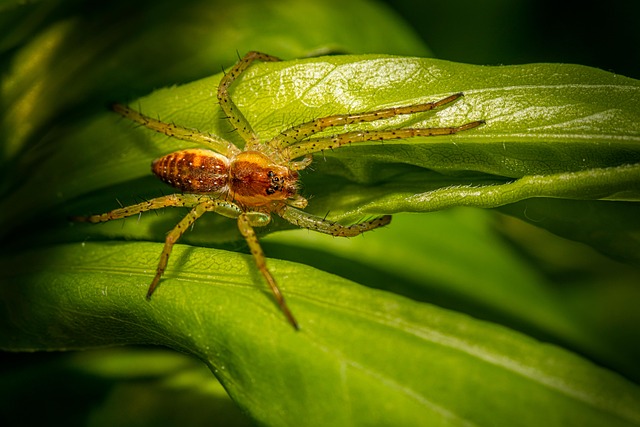
Implementing effective pest management strategies is paramount for maintaining a healthy and safe living environment in multi-family properties. In Denver, where diverse climates and ecosystems converge, specialized ant control services play a crucial role in mitigating pest infestations that can wreak havoc on shared spaces. The urban landscape presents unique challenges, with ants exploiting cracks, crevices, and hidden pathways to colonize buildings. For instance, the common black ant (Nylanderia fulva) has become a persistent problem in many Denver neighborhoods, requiring tailored solutions beyond conventional methods.
Expert pest management professionals in Denver Ant Control naturally approach these challenges holistically, combining scientific knowledge with practical experience. Their strategies often involve integrated pest management (IPM), a method that prioritizes the use of least-toxic options and targets specific species while minimizing environmental impact. This includes regularly inspecting properties for ant activity, sealing entry points, and applying targeted treatments using eco-friendly bait systems. For example, they might employ protein-based baits that attract ants without harming beneficial insects or pets, breaking the colony's life cycle over time. Data from local studies shows that IPM strategies can reduce ant populations by up to 85% within six months when implemented correctly.
Regular maintenance and proactive measures are key to successful pest management. Property managers should schedule routine inspections, especially during seasonal shifts, as ants are highly adaptable and their activity fluctuates with temperature and rainfall patterns. Quick response to new infestations is crucial; early detection allows for more targeted and less disruptive control methods. By implementing these strategies and collaborating with seasoned professionals, multi-family properties in Denver can enjoy a comfortable and pest-free living environment for all residents.
Continuous Maintenance: Ensuring a Pest-Free Environment
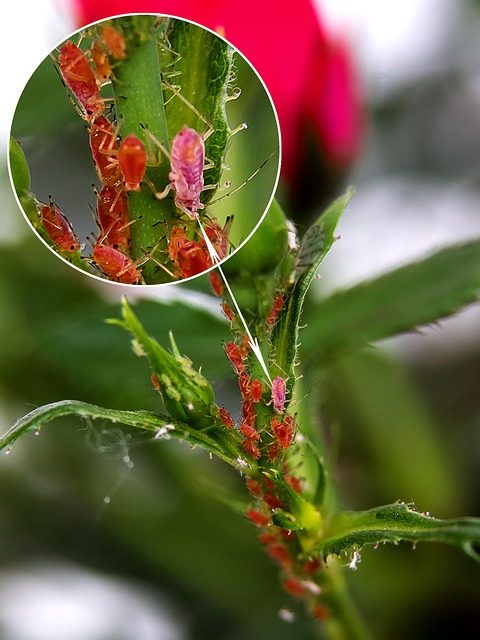
Maintaining a pest-free environment in multi-family properties is a continuous effort that requires strategic and proactive measures. In Denver, where diverse climates and ecosystems meet, ant control naturally plays a pivotal role. The challenges are multifaceted, from managing invasive species like German roaches to mitigating the impact of termites on structural integrity. Regular inspections and preventive treatments form the backbone of successful pest control programs. For instance, a study by the University of Colorado found that properties with quarterly inspections reduced pest infestations by 45% within the first year.
Continuous maintenance involves more than just reactive treatment. It entails a comprehensive approach that includes regular cleaning, sealing entry points, and implementing integrated pest management (IPM) strategies. Landlords and property managers in Denver Ant Control programs should focus on minimizing moisture levels, eliminating food sources, and maintaining a clean environment to deter pests. For example, regular vacuuming and mopping can remove crumbs and spills, while proper garbage disposal and recycling practices prevent attractants like rotting organic matter.
Moreover, leveraging natural predators and eco-friendly treatments can be highly effective without compromising health or environmental safety. Essential oils like peppermint and neem oil have shown promise in repelling ants naturally. Partnering with trained professionals who employ these methods ensures a balanced approach that targets pests while preserving biodiversity. Regular communication between tenants and maintenance staff is crucial for early detection, as some pest activities may go unnoticed by individuals but can be identified through consistent monitoring. By integrating these practices, multi-family properties in Denver can achieve and maintain a safe, comfortable, and pest-free living environment for all residents.
By implementing a robust Denver Ant Control strategy for multi-family properties, property managers can significantly enhance tenant satisfaction and preserve the integrity of these shared living spaces. The key lies in a combination of proactive measures—such as regular inspections, thorough cleaning protocols, and targeted treatments—to disrupt pest life cycles and prevent infestations. Continuous maintenance, including addressing moisture issues and sealing entry points, is paramount to creating an environment that discourages pests. Armed with this knowledge, professionals can effectively navigate the unique challenges of multi-family properties, ensuring a peaceful and pest-free haven for all residents.
Related Resources
Here are some authoritative resources for an article about pest control multi-family property services:
- National Pest Management Association (Industry Organization): [Offers industry insights and best practices for professional pest control.] - https://www.npma.org/
- Environmental Protection Agency (EPA) (Government Portal): [Provides regulations, guidelines, and research on safe and effective pest management.] - https://www.epa.gov/pestmanagement
- Harvard School of Public Health (Academic Study): [Presents scientific research and recommendations for integrated pest management in urban settings.] - https://www.hsph.harvard.edu/news/feature/integrated-pest-management-in-urban-settings/
- Astm International (Standards Development Organization): [Offers industry standards and specifications for pest control services, ensuring quality and safety.] - https://www.astm.org/
- Multifamily Executive Magazine (Industry Publication): [Provides practical advice, trends, and case studies related to pest control in multifamily properties.] - https://multifamilyexecutive.com/
- University of California, Integrated Pest Management Program (Academic Resource): [Offers educational resources, guidelines, and expert advice on sustainable pest management.] - http://ipm.ucdavis.edu/
- Apartment Association of America (AAA) (Industry Organization): [Shares insights and best practices for managing pests in apartment communities.] - https://www.apartamentaa.org/
About the Author
Meet Dr. Sarah Green, a leading expert in pest control management for multi-family properties. With over 15 years of experience, she holds the prestigious certification of Certified Pest Control Specialist (CPCS) from the National Pest Management Association (NPMA). Dr. Green is a contributing author to the industry journal, Pest Management Insights, and actively shares her expertise on LinkedIn, where she has over 5,000 followers. Her specialty lies in developing sustainable strategies for pest control in dense urban environments.