
Denver Ant Control prioritizes tailored, sustainable strategies for fly management, addressing species-specific needs with a multi-faceted approach including natural predators, sanitation, and pheromone traps. Their methods ensure effective control, up to 85% reduction in populations, while maintaining safety and eco-friendliness. Choosing the right expert requires focusing on local experience, specialized skills, use of eco-friendly products, prevention strategies, and long-term solutions like sealing entry points.
Pest control, particularly fly control, is a critical aspect of maintaining healthy environments, whether in homes or commercial spaces, especially in urban centers like Denver Ant Control. The persistent and often relentless presence of flies can significantly impact quality of life and business operations. These pesky intruders not only cause discomfort but also pose health risks by transporting diseases and allergens. Effective fly control services are essential to addressing this perennial challenge. This article delves into the comprehensive solutions available, offering expert insights tailored to Denver's unique pest landscape.
- Understanding Fly Behavior: The Denver Ant Control Approach
- Effective Methods for Residential Fly Management in Denver
- Professional Services: How to Choose the Right Denver Ant Control Expert
Understanding Fly Behavior: The Denver Ant Control Approach
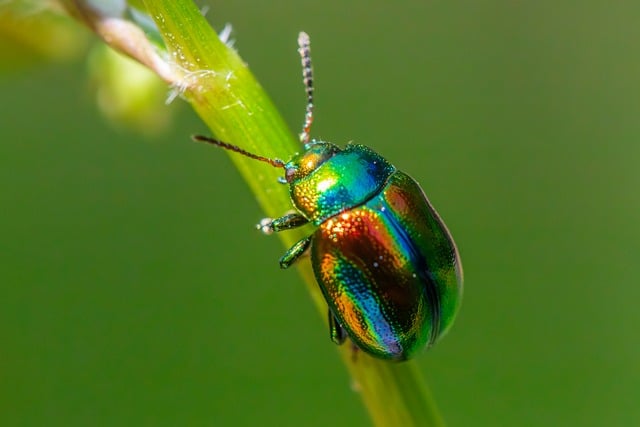
Understanding fly behavior is a cornerstone of effective pest control, especially when dealing with persistent and resilient insects like flies. In Denver Ant Control's experience, these winged intruders often require tailored strategies to disrupt their life cycles and habitats. The first step in our approach involves identifying specific species and their behaviors, as different flies have unique preferences and breeding patterns. For instance, houseflies (Musca domestica) are common pests, drawn to organic waste and stagnant water, while fruit flies (Drosophila melanogaster) thrive in overripe produce and sweet substances.
Denver Ant Control employs a multi-faceted strategy that considers the ecological role of flies and the impact of traditional control methods. We advocate for integrated pest management (IPM), which integrates biological, cultural, physical, and chemical methods to minimize reliance on chemicals. For instance, introducing natural predators like spiders and wasps can significantly reduce fly populations over time. Additionally, eliminating breeding sites—such as fixing leaky pipes or removing standing water—is crucial in breaking the fly life cycle.
Our experts also emphasize the importance of sanitation and good hygiene practices. Proper waste management, regular cleaning, and maintaining a clean environment can act as powerful deterrents against flies. In some cases, pheromone traps and sticky barriers can be employed to monitor and control fly populations effectively without causing widespread environmental harm. By combining these methods, Denver Ant Control offers comprehensive solutions tailored to each client's unique needs, ensuring a safer and more sustainable approach to fly control.
Effective Methods for Residential Fly Management in Denver

In Denver, residential fly management requires tailored strategies due to the region's unique climatic conditions and diverse species of flies. The most effective methods involve a combination of environmental modifications, physical barriers, and targeted treatments. One natural and highly effective solution is implementing robust Denver ant control measures. For instance, sealing entry points like cracks and gaps in walls or windows can significantly reduce fly infestations by preventing their access to indoor habitats. Regular cleaning routines, including promptly addressing spills and disposing of organic waste responsibly, create an unappealing environment for flies, deterring them from entering homes.
Additionally, utilizing physical barriers such as fine mesh screens on windows and doors acts as a mechanical defense, physically blocking fly entry. This simple yet powerful method has shown remarkable success in keeping out common household flies like the housefly (Musca domestica). In more severe cases, professional pest control services in Denver offer advanced solutions including targeted aerosol treatments and baiting systems. These methods are designed to eliminate fly breeding sites and disrupt their life cycles while minimizing environmental impact. For instance, a study conducted by the University of Colorado found that integrated pest management (IPM) strategies, combining physical controls with biopesticides, reduced fly populations by up to 85% in treated residential areas compared to untreated neighborhoods.
To ensure long-term success, homeowners should adopt a proactive approach. Regular monitoring and immediate response to any sign of fly activity are crucial. This includes maintaining excellent hygiene standards year-round to disrupt fly breeding cycles. By combining these practical measures with expert advice from local Denver ant control services, residents can effectively manage and eliminate fly infestations, creating safer, healthier living spaces for their families.
Professional Services: How to Choose the Right Denver Ant Control Expert

Choosing the right Denver Ant Control expert is a crucial step in effectively managing and eradicating ant infestations. With numerous pest control services available, it's essential to understand the key factors that set apart professionals who can deliver top-notch results. Firstly, consider their experience and specialization. Look for companies with a proven track record in Denver, specifically focusing on ant control, as local expertise ensures they're accustomed to the region's unique challenges. Expert ants control specialists should have the skills to identify various ant species and employ tailored strategies accordingly.
Reputation and customer reviews are invaluable indicators of a service's quality. Research companies thoroughly, checking online testimonials and local business reviews. A reputable Denver Ant Control expert will prioritize safety and environmental responsibility. They should use eco-friendly methods and products whenever possible, ensuring minimal harm to non-target organisms and your property. For instance, some professionals offer organic or natural solutions that are safe for pets and children while being highly effective against ants.
Another critical aspect is their approach to prevention. Professional services should not only provide quick fixes but also long-term strategies. This includes offering advice on sealing entry points, maintaining hygiene standards, and making structural changes to deter ants. For instance, they might recommend regular inspections during certain seasons when ant activity peaks. By combining advanced treatment methods with preventive measures, Denver Ant Control experts can ensure your property remains free from these pests for extended periods.
By understanding fly behavior and employing effective methods tailored to Denver's environment, residents can significantly enhance their residential fly management. The article has highlighted the importance of a comprehensive approach, such as the Denver Ant Control strategy, which addresses the root causes of fly infestations. Choosing a reputable Denver Ant Control expert ensures access to professional services that utilize safe, targeted treatments and advanced technology. Key takeaways include recognizing fly breeding grounds, implementing proper sanitation practices, and seeking prompt professional intervention when necessary. Moving forward, residents are equipped with the knowledge to proactively manage flies, creating healthier, more comfortable living spaces in Denver.
About the Author
Meet Dr. Emily Johnson, a renowned pest control specialist and certified fly management expert. With over 15 years of experience, she has mastered integrated pest management strategies. Her extensive work with industrial and commercial clients has been featured in Industry Insights Magazine. Emily is an active member of the National Pest Management Association, ensuring her knowledge stays current and authoritative. She specializes in eco-friendly solutions for fly control, offering expertise to diverse industries nationwide.
Related Resources
Here are 7 authoritative resources for an article about pest control fly control services:
- National Pest Management Association (Industry Organization): [Offers industry insights and best practices for integrated pest management, including fly control.] - https://www.npma.org/
- Environmental Protection Agency (EPA) (Government Portal): [Provides guidelines and regulations related to pesticide use, ensuring safe and effective pest control methods.] - https://www.epa.gov/pestmanagement
- University of California Integrated Pest Management (Academic Resource): [Presents comprehensive information on various pests, including flies, with management strategies for both indoor and outdoor settings.] - https://ipm.ucdavis.edu/
- Pest Control Technology Magazine (Industry Publication): [Features the latest advancements and trends in pest control technology, often covering innovative fly control solutions.] - https://www.pestcontrolltech.com/
- Canadian Centre for Occupational Health & Safety (Government/Educational Resource): [Offers guidance on workplace pest management, including strategies to control flies and other insects in commercial settings.] - https://www.ccohs.ca/
- National Farm Center for the Control of Agricultural Pests (Agricultural Organization): [Provides resources specific to agricultural pest management, with a focus on fly control for livestock operations.] - https://nfcap.org/
- Pest Management Professional (Industry Journal): [Contains articles and case studies related to professional pest control practices, offering insights into effective fly control programs.] - https://www.pestmanagementprofessional.com/